

Diabetic Retinopathy Causes, Symptoms, and Treatment
Diabetic retinopathy is a leading cause of blindness in American adults. It occurs when high blood sugar levels damage the retina, the light-sensitive layer of tissue at the back of your eye.
Treatment is usually effective in stopping and reversing diabetic retinopathy and preventing vision loss. Keeping your blood sugar levels under control with diet and medication is essential.
Blurred Vision
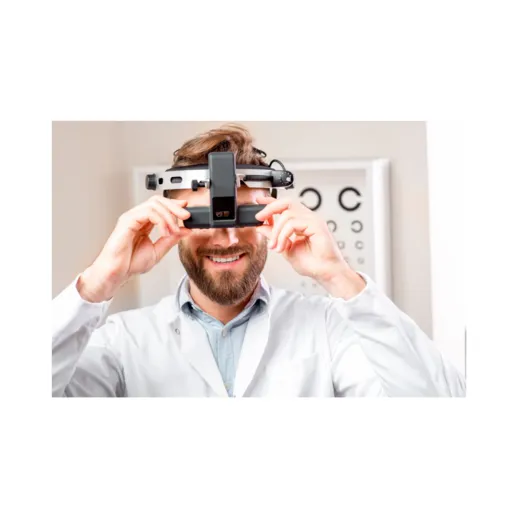
Diabetic retinopathy is the most common cause of vision loss in people with diabetes. It occurs when high blood sugar levels damage the tiny blood vessels in the retina, the light-sensitive tissue that lines the back of the eye. Symptoms of diabetic retinopathy usually develop over time. The disease is classified into two stages: nonproliferative diabetic retinopathy (NPDR) and proliferative diabetic retinopathy, or PDR.
Nonproliferative retinopathy is the early stage of the disease, in which symptoms are usually mild or nonexistent. This form of disease involves weakening and bulging the retina's blood vessels. These tiny pouches of fluid may leak into the macula, the area responsible for clear central vision. This leaking can make the macula swell, causing blurred or distorted vision. This article
Proliferative retinopathy is the more advanced stage of the disease, in which circulation problems deprive the retina of oxygen. This causes abnormal new blood vessels to grow on the surface of the retina, leaking into the vitreous, the gel-like fluid that fills the back of the eye.
This new blood can cloud your vision and may cause complete blindness. However, your vision can recover if you receive timely treatment.
Getting regular eye exams and controlling your diabetes is the best way to slow the progression of diabetic retinopathy. This includes managing your blood sugar levels, increasing your physical activity, and taking your medication as directed.
Injections into the eye can help slow the progression of the disease by reducing swelling in the macula and preventing new blood vessels from growing. Your doctor may also recommend anti-VEGF injections, which reduce the growth of abnormal new blood vessels in the retina.
Laser surgery, or photocoagulation, is another type of treatment for diabetic retinopathy. This procedure uses laser energy to shrink blood vessels or stop them from leaking into the macula, preventing fluid from causing swelling and blurred vision.
Laser surgery is often done in a medical office as an outpatient procedure and is safe for most patients. It is not reversible, and new blood vessel growth can occur after the procedure, but it can prevent or reduce your risk of vision loss.
Floating Spots
Eye floaters are small clumps of protein that can appear in the clear gel-like substance called the vitreous humor inside your eyes. This gel-like substance is part of the interior of your eyeball and surrounds the retina, a layer of tissue at the back of your eye that converts light rays into impulses for your brain to interpret as images. A fantastic read
Floaters can appear as tiny flecks, strands, or cobweb-like lines that move as you look. They are usually harmless and do not cause any harm to your vision, but they can sometimes be a sign of an underlying health problem such as diabetic retinopathy.
Diabetic retinopathy causes the blood vessels in your eye to break, leak or swell and develop abnormalities that encourage the growth of scar tissue on the retina. These new abnormalities may leak into the vitreous jelly that surrounds the retina and cause floaters or even block your vision completely.
If the vitreous gel begins to pull away from the retina, this is known as posterior vitreous detachment (PVD). The floaters and flashes of light that may occur are caused by debris that is pulled into the vitreous gel from the damaged area on the retina.
The floaters and flashes can appear off and on for a few weeks or months, but they fade over time. They may also be accompanied by other symptoms such as a loss of peripheral or side vision.
In a small number of patients, the presence of floaters along with sudden flashes of light can indicate damage to the retina, which could result in a tear or detachment of the retina. In such cases, treatment must be carried out as soon as possible so that a retinal surgeon can repair the retina and restore sight before permanent vision loss occurs.
Having routine yearly eye exams by an ophthalmologist, an eye doctor who specializes in treating the eyes, is crucial for protecting your vision and preventing any damage to your eyes. An ophthalmologist will examine your retina and floaters with specialized equipment, to diagnose any problems and make sure there are no underlying health issues such as diabetic retinopathy.
Pain or Pressure in the Eye
Diabetic retinopathy causes pain or pressure in the eye because it affects the blood vessels that supply oxygen to the retina. It is the leading cause of blindness in American adults, and it can lead to permanent vision loss if left untreated.
Symptoms of diabetic retinopathy typically start gradually and may not be noticed until the condition worsens. Your doctor can tell when you have a problem by performing a dilated eye exam and checking for signs of diabetic retinopathy.
In the early stage of the disease, tiny areas of balloon-like swelling called microaneurysms in the blood vessels of your retina may leak fluid into your eye. This is called nonproliferative diabetic retinopathy (NPDR).
It is important to keep your blood sugar in a healthy range to prevent the disease from progressing. This includes eating a healthy diet, getting regular physical activity and taking your diabetes medicine as directed.
If you have NPDR, your doctor may recommend eye injections to stop the inflammation and reduce the growth of new blood vessels in your retina. Other treatments include laser surgery to seal abnormal blood vessels or to prevent new leaky blood vessels from forming.
Your doctor can also prescribe eye drops that will help control the inflammation that causes floaters or blurry vision. These eyedrops are steroid or anti-VEGF (anti-vascular endothelial growth factor) and will lower the swelling in your macula.
The condition can be a lifelong one, so it is critical that you follow your doctor’s recommendations for treatment and keep up with your eye exams. You will likely need to have a dilated eye exam and OCT scans as often as every 2-4 months to monitor your condition.
In addition, your doctor can prescribe medication that will slow the progression of the disease and prevent a serious complication known as retinal detachment from happening. The detachment can result in flashes of lights, spotty or distorted vision, and complete vision loss.
The most important thing is to stay in touch with your doctor and maintain good blood sugar control to avoid further damage to the retina or to your vision. A yearly visit to Florida Eye Specialists for regular eye exams is an important part of your care.
Vision Loss
Diabetic retinopathy affects the retina, the lining at the back of your eyes that changes light into images. It can lead to vision loss if it isn't treated, but good control of blood sugar, blood pressure, and cholesterol may help stop or slow the progression of diabetic retinopathy.
The earliest stage of diabetic retinopathy is called mild nonproliferative retinopathy (NPDR). In this early stage, small areas of balloon-like swelling called microaneurysms form in the retinal blood vessels and may leak fluid into your eye. You may see spots that appear across your field of vision, which is known as floaters. They sometimes clear up on their own, but you should get them checked by your eye doctor if they do not go away with time.
Your eye doctor will use a dilated eye exam to see the blood vessels in your retina. They will also check the retina's muscle function and pupil response to light.
During this exam, your eye doctor will put drops into your eyes that dilate the pupils, which widens your vision. They will then take a picture of your retina with a special dye that can show if any blood vessels are damaged.
When a doctor does an exam, she will look at your vision from different angles to make sure that the light is entering your eye correctly and that there are no signs of other conditions like glaucoma or cataracts. This will help your doctor identify the best treatment for your condition.
If you have NPDR, your doctor might suggest a medication to prevent blood vessel walls from weakening and bulging. Your doctor might also perform laser surgery to shrink or seal leaking vessels, which can help reduce your symptoms and prevent further damage.
Your eye doctor might also recommend a medical procedure called a vitrectomy, which can remove blood vessels that are growing too large or causing bleeding in your eye. This may be done if your condition is severe or if your retina is bleeding a lot, which can block your vision.
In the most serious stage of diabetic retinopathy, a process called proliferative retinopathy (PDR), new, abnormal blood vessels grow in your eye and outpace healthy ones, cutting off the flow of blood to parts of the retina. This type of retinopathy can cause permanent vision loss, even blindness. It can also cause scar tissue to form on your retina, which can cause it to pull away from the back of your eye.
