

Types of Eye Doctors
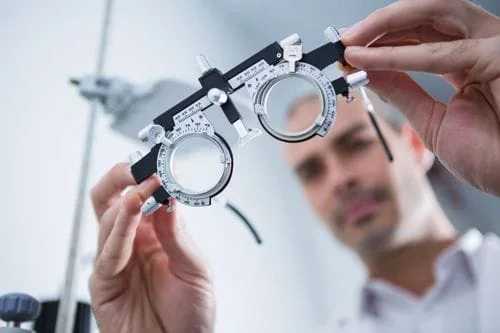
Eye doctors are health professionals who examine your eyes, diagnose conditions, and prescribe corrective measures. They are essential to your overall health and well-being, as vision problems can lead to headaches and other eye-related complications.
Optometrists and ophthalmologists are the two most common types of eye doctors, but other professionals can also provide the necessary care. Nurses, medical assistants, and technicians can all specialize in eye care and perform critical services during an exam or procedure.
Opticians
An optician is an eye-care professional who works in a store that sells glasses or contact lenses. After a doctor writes a prescription for you, an optician will use your prescription to get you the right glasses or contacts for your needs. You can find them at most eye doctors’ offices and some drug stores. They use prescriptions provided by ophthalmologists or optometrists to help patients choose the right eyeglasses, contact lenses, and other visual aids to suit their needs.
Ophthalmologists
Ophthalmologists are eye-care professionals who earn their medical degrees from an accredited medical school. They then go on to receive advanced training in ophthalmology, and they are licensed as either "M.D." (Doctor of Medicine) or "DO" (Doctor of Osteopathy).
Ophthalmologists diagnose and treat eye diseases, disorders, and injuries. They also perform eye surgery. They may prescribe medication taken orally (by mouth) or topically (in the eyes), and may offer surgery, cryotherapy, or chemotherapy.
To become an ophthalmologist, you must first pursue an undergraduate degree in a field that includes significant maths, chemistry, and biology studies. Next, you must apply to medical school to earn a doctor of medicine (MD) or doctor of osteopathic medicine (DO).
After graduation, ophthalmologists obtain a license to practice in their state. This usually involves passing a state exam and fulfilling other requirements, like internships and residencies.
During medical school, ophthalmologists spend their time studying medical science and learning how to examine patients. They also train to perform surgeries like cataract removal and glaucoma laser treatments.
Your ophthalmologist will start with a thorough eye examination that tests your vision and the muscles that move your eyes. They will also check how your pupils respond to light and examine the back of your eyes, or retina.
If you have an eye disease, your ophthalmologist will refer you to a specialist. They may also suggest screenings to identify conditions that you are at risk for, based on your age, race, and family history.
Ophthalmologists can spot signs of diseases and problems early, preventing them from developing serious or irreversible vision loss. This is especially true of potentially blinding eye conditions such as glaucoma, age-related macular degeneration, and ocular melanoma.
Ophthalmic Surgeons
Oculoplastic surgeons are ophthalmologists who treat and perform surgery on the bones that form the orbit, eyelids, and surrounding structures. They can diagnose and treat conditions such as strabismus (crossed eyes) or uncorrected refractive errors, which cause blurry vision.
Ophthalmic Techs, Nurses, And Medical Assistants
Ophthalmic technologists, nurses, and medical assistants are highly trained professionals who assist with more complex exams or operations like LASIK. They can also help with tasks like documenting a patient's eyes or performing visual field tests.
Ophthalmic surgeons specialize in the diagnosis, treatment, and surgical management of diseases that affect the eye. They may perform procedures like laser vision correction, cataract surgery, glaucoma treatment, and other specialized surgeries.
The education and training required to become an ophthalmic surgeon are relatively rigorous. They usually complete a medical degree, followed by postgraduate medical training. The education is supervised by experienced medical schools or eye hospital faculty. These individuals then go on to a junior residency, fellowship, or senior resident to refine their skills and knowledge in the field of ophthalmology.
During their training, ophthalmology trainees receive experience performing a variety of surgical procedures under supervision and are encouraged to take responsibility for the outcomes. Under the traditional apprenticeship model, this training is based on the ‘see one, do one, teach one’ approach to pass down operative techniques. However, this training model is not necessarily the best way to prepare ophthalmology surgeons for a life of continuous education and development.
A number of different educational strategies have been implemented to improve the assessment and teaching of ophthalmic surgical skills. These include a more flexible and tailored approach to surgical training and behavioral and skill-based learning tools. These have been found to result in better outcomes for patients and reduce complications in surgery.
The main goals of ophthalmic surgical training are to develop a strong platform of technical skills and a wider awareness of the dynamic nature of surgery. It is also important to ensure that ophthalmology supervisors have a good understanding of adult learning theory and the best way to train and assess their trainees.
Ophthalmologists and Ophthalmic Surgeons
Ocular specialists are the most experienced of all eye doctors. These are eye-care professionals who earned their degrees from an accredited medical school and then completed specialized training in ophthalmology. Click for more info
They then went on to receive advanced training in ophthalmology, including fellowships. These programs take about 12 years.
Ophthalmologists care for people's eyes and vision. They diagnose and treat eye conditions, including glaucoma and cataracts. They also prescribe medication, glasses, and contact lenses. They sometimes perform surgery.
Ophthalmologists can recommend personalized tips for protecting the eyes. These may include eating eye-healthy foods, exercising, and protecting the eyes from ultraviolet light. They also encourage avoiding smoking and using dietary supplements that can help improve eye health. They can also recommend if and when to seek treatment for an eye infection.
Ophthalmologists And Ophthalmic Surgery
When it comes to choosing an ophthalmologist, you should focus on their experience and credentials first. Ophthalmologists must undergo medical school, internships, and a residency before they are licensed to practice. They then complete a fellowship in an eye specialist, and they may need to complete additional education afterward for a specific area of expertise, such as cataract surgery or pediatric ophthalmology.
Ophthalmic Specialists And Ophthalmic Surgeons
When choosing an ophthalmologist, you should see one of these specialists if you have a severe eye problem or a specific eye condition. Ophthalmic specialists are experts in a particular area of the eye or the entire eyelid, and they can offer treatments that an optometrist cannot. They can also conduct surgeries that an optometrist or an ophthalmic surgeon might be unable to.
Choosing an Eye Care Professional
When To See An Eye Doctor
When To See An Optometrist Vs Ophthalmologist
Signs You Should See an Eye Doctor
Finding an Eye Doctor
Eye Exam Near Me Pensacola FL
Types Of Eye Examinations
What You Need To Know About Prescription Glasses
What You Need To Know About Eye Surgery
Protect Your Eyes With Sunglasses
Contact Lenses For Vision Correction
Contact Lenses Color
Types Of Contact Lenses
Everything You Need To Know About Lasik Eye Surgery
Eye Exam Vision Testing And What To Expect
What is Astigmatism? Symptoms, Causes, and Diagnosis
When to See an Ophthalmologist
What is Cataract? Symptoms, Causes, and Diagnosis
Why are They Called Aviator Sunglasses
What are The Different Types Of Glasses
Pediatric Eye Doctor
Blurred Vision Symptoms, Cause, and Treatments
Normal Nearsightedness And Farsightedness
Emergency Eye Care
Diabetic Retinopathy. Causes, Symptoms, Treatment
Types Of Opticals
Eyeglasses For Men
Eye Care Services
Age-Related Macular Degeneration
Polarized Lenses
Cataract Surgery
Types Of Eye Surgeries
Glaucoma Causes
Preparation For Eye Surgery
Retina Surgery
